
Description
Note: Order Lead time 2-3 weeks from placing order.
Product Description:
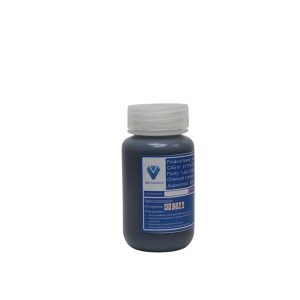
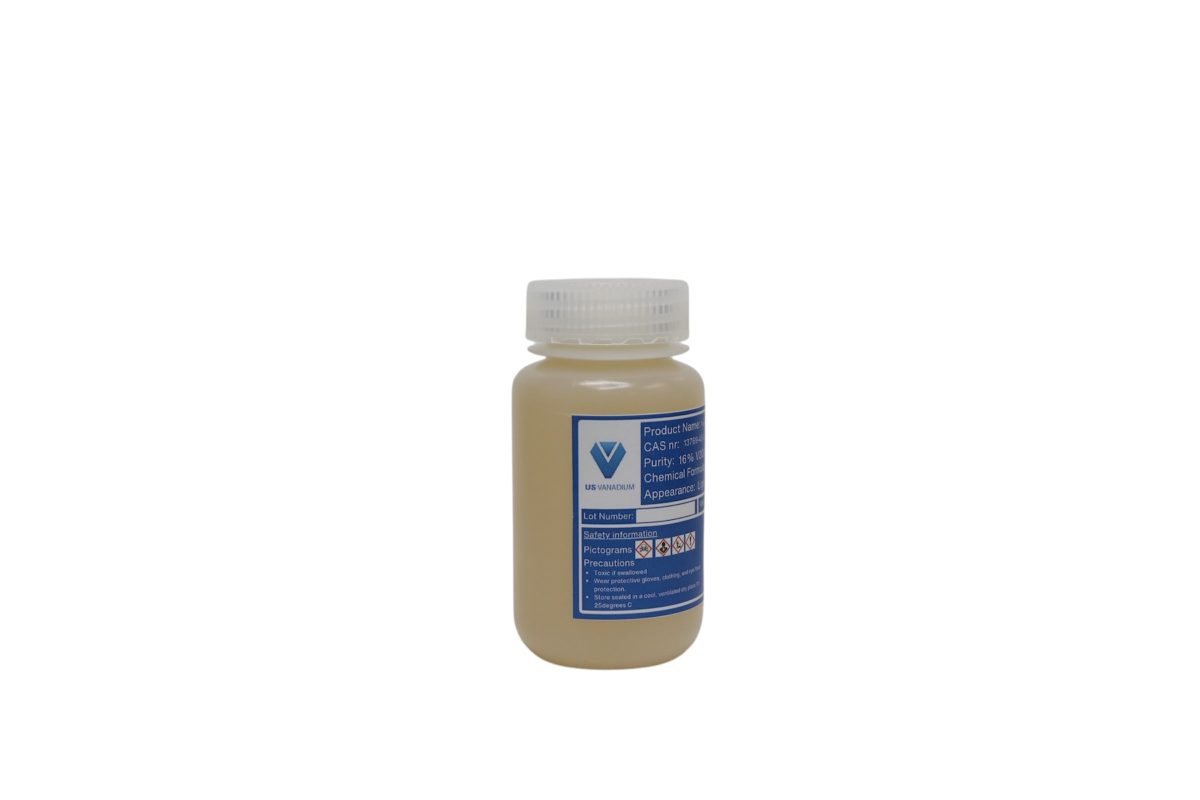
High-purity sodium vanadate solution (NaVO₃). Used in vanadium redox flow batteries (VRFBs), catalysis, electrochemical applications, and industrial metal treatments. Available in bulk for industrial and research use.
Empirical Formula
-
NaVO₃
-
NaOH
Molecular Weight
-
Sodium Metavanadate (NaVO₃): ~121.93 g/mol depending on water and NaOH content (39.99g/mol)
Typical Uses
-
Vanadium Redox Flow Batteries (VRFBs) – Serves as a precursor in energy storage electrolyte formulations
-
Catalysis – Used in oxidation reactions and industrial chemical synthesis
-
Electrochemical Applications – Suitable for metal treatment and anti-corrosion coatings
-
Analytical Chemistry – Employed as a reagent in laboratory testing and synthesis
-
Glass & Ceramic Industry – Enhances color properties in specialty glass and ceramics
-
Metal Surface Treatment – Used in metal finishing and protective coatings
Risks
-
Highly Alkaline – Due to excess NaOH, the solution is strongly caustic and can cause burns upon contact
-
Harmful if Swallowed or Inhaled – Can cause irritation to the respiratory system and digestive tract
-
Skin and Eye Irritation – May cause redness, itching, or discomfort upon contact
-
Environmental Hazard – Toxic to aquatic life, avoid discharge into water sources
CAS Numbers
-
Sodium Metavanadate (NaVO₃): 13718-26-8
-
Sodium Orthovanadate (Na₃VO₄): 13721-39-6
-
Sodium Hydroxide (NaOH): 1310-73-2
HS Code
2841.90.90 (for vanadium-based chemical solutions)
P Codes (Precautionary Statements)
-
P260: Do not breathe mist, vapors, or spray.
-
P280: Wear protective gloves, clothing, and eye/face protection.
-
P301 + P330 + P331: IF SWALLOWED: Rinse mouth. Do NOT induce vomiting.
-
P305 + P351 + P338: IF IN EYES: Rinse cautiously with water for several minutes. Remove contact lenses if present and easy to do – continue rinsing.
-
P310: Immediately call a POISON CENTER or doctor if exposed.
-
P273: Avoid release into the environment.
Storage Conditions
-
Store in a sealed, non-metallic container to prevent contamination and reaction with CO₂ in air.
-
Keep in a cool, dry, and well-ventilated area away from direct sunlight.
-
Maintain temperature control (10-25°C) to prevent precipitation or degradation.
-
Avoid contact with acids, oxidizing agents, and incompatible metals.
Shelf Life
-
Typically 1-2 years under optimal storage conditions.
-
Exposure to air can lead to CO₂ absorption, which may alter pH and chemical stability and precipitation.
Disclaimer: This information is for general research purposes only and is not a representation or warranty of any kind. The user of this material is solely responsible for determining fitness for any particular use; requesting and reviewing the applicable Safety Data Sheet; and compliance with all applicable laws and regulations. US Vanadium’s standard terms and conditions apply.